Kusan City of Wolves Loadout Builds
Build kits around fist, knife, and gun roles so every Bolt spend matches how you clear rooms.
A loadout in Kusan: City of Wolves is the pact you make with Jin’s tools before stepping into another neon crime scene. CIRCLEfromDOT and PQube designed a hardcore top-down loop where firearms, the auto-targeting Quantum Knife, and the War Hand must cooperate under a one-hit-death rule. Full release lands July 30, 2026 on PC, PS5, Xbox, and Switch; the live demo is the best place to prototype kits. This featured guide expands the Builds Hub with concrete archetypes, Bolts budgeting, and links to War Hand Upgrades plus the Weapons Tier List.
Archetype 1: Knife Conductor. You create angles, throw the Quantum Knife into priority targets, and use guns only to finish stragglers or force dodges. Bolts should favor knife skill unlocks, cooldown or recovery improvements if available in your build of the demo, and mobility that keeps auto-target cones honest. War Hand stays as a utility smash for crates, doors, and stunned elites rather than your primary DPS. This kit loves open courtyards and hates cramped sightline blockers—solve blockers with fist upgrades instead of abandoning the knife identity.
Archetype 2: War Hand Brawler. You close distance, smash routes open, and convert stagger windows into finishers while guns provide cover fire. Spend Bolts early into War Hand nodes that shorten recovery and improve obstacle clears, then add a forgiving mid-range firearm so you are not helpless when a room refuses fist range. Quantum Knife becomes a pickup tool for snipers or annoying backline enemies. Brawler kits shine when stages mix destructible cover with dense melee threats, and they pair well with aggressive pad layouts from Console Controls.
Archetype 3: Gun Anchor. You hold lanes with steady fire, use the knife as a punctuation mark, and keep War Hand for emergencies. Bolts go into firearm unlocks and handling comfort first, then selective knife nodes that reward clean multi-kills. This archetype helps players coming from twin-stick shooters who need time to learn fist timing. It is also a strong teaching kit for Early Chapters before you specialize. Watch stamina of attention: spraying forever loses S-Rank style multipliers compared to deliberate knife inserts.
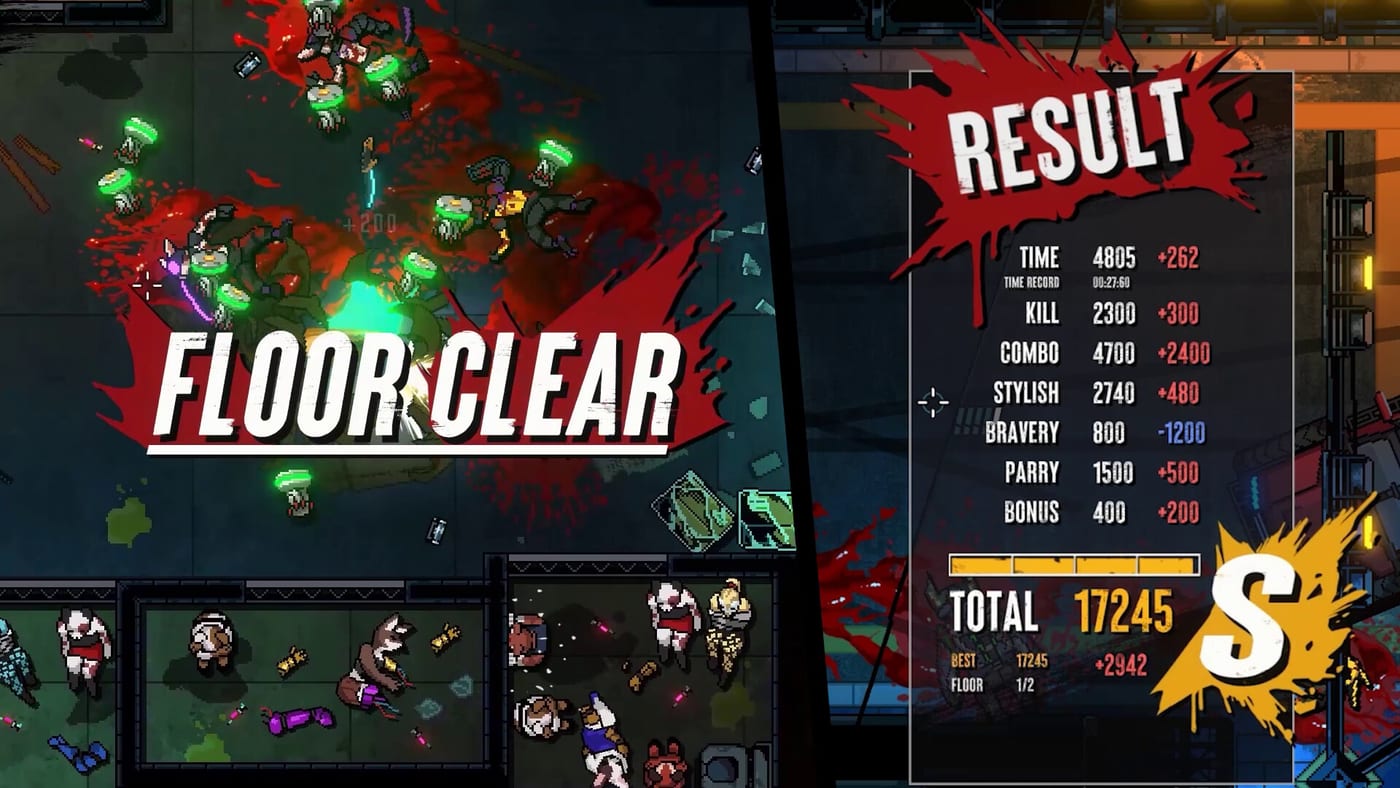
Archetype 4: Rank Grinder Hybrid. S-Rank hunters eventually mix all three tools because scoring wants speed, style, and zero mistakes. Start each chapter with a balanced spend—one War Hand quality node, one knife reliability node, one gun comfort unlock—then bias further based on the next boss or stage type described in Stages Overview. Hybrids demand the cleanest binds; revisit PC Controls if you still mis-tap fist and fire. Hybrid failure usually comes from spreading Bolts too thin across novelty weapons instead of mastering two complementary guns.
Bolts budgeting rules of thumb. Never spend your entire stash right before an unfamiliar boss if the demo or chapter allows mid-fight economy swings—keep a buffer for emergency utility. Prefer upgrades that reduce animation vulnerability in a one-hit game over raw percentage damage you cannot live to use. If a room repeatedly kills you during a specific animation, that animation’s upgrade path is higher priority than a new toy firearm. Track what you bought in a simple note so failed runs teach spending lessons instead of fog.
Loadouts versus boss patterns. Marketing boss showcases such as DJ Garak and Hoban reward pattern reading more than any single gun. Before those fights, ensure your kit can create space (knife or gun), interrupt or punish windows (fist or heavy shots), and move (dodge comfort via practice, not just stats). Read the Boss Guide and adjust one slot only between attempts. Swapping an entire loadout every death prevents learning tells.
Team-of-one fantasy, single-player reality. Kusan is a solo fixer story around Jin, Haru, and the city’s wolves—there is no multiplayer tax on your build. That means every weakness is yours to cover. If you hate close range, invest enough War Hand utility to not soft-lock on smashed paths. If you hate aiming, lean on Quantum Knife’s auto-target identity while still practicing stick or mouse discipline. Use the Weapons Tier List as a shortlist generator, then validate each pick in the demo rather than copying ranks blindly.
Session plan. Warm up with a known demo room using your current kit. Change one Bolts purchase. Repeat the room. If clear speed or survival improves, keep the change; if not, refund strategy by avoiding that node next chapter when the full economy allows more experimentation post-launch. Carry the winning kit into early campaign stages, then revisit this page when chapter density shifts. Loadouts are living documents—update them when your hands get better, not only when a tier list shuffles.
Frequently Asked Questions
Quick answers to the most common questions.
Which loadout is best for beginners?
Gun Anchor or a light Hybrid. Stabilize firearms and movement first, then add Quantum Knife and War Hand upgrades as binds feel clean.
Should I respec often?
Change one purchase between attempts. Constant full rebuilds hide whether a death came from kit or execution.
How do loadouts interact with War Hand upgrades?
Brawler kits prioritize fist nodes early; Knife Conductors buy utility fist later. Details live on [War Hand Upgrades](/builds/war-hand-upgrades/).
Do S-Ranks require a specific archetype?
No. S-Ranks reward clean, fast, stylish play. Pick the archetype you can execute without misinputs on your platform.
Where should I practice new kits?
Use the live demo rooms, then apply winners in [Early Chapters](/walkthrough/early-chapters/) once the full July 30, 2026 release is in your library.